
Understanding Network Management Systems (NMS) – A Complete Guide for Businesses
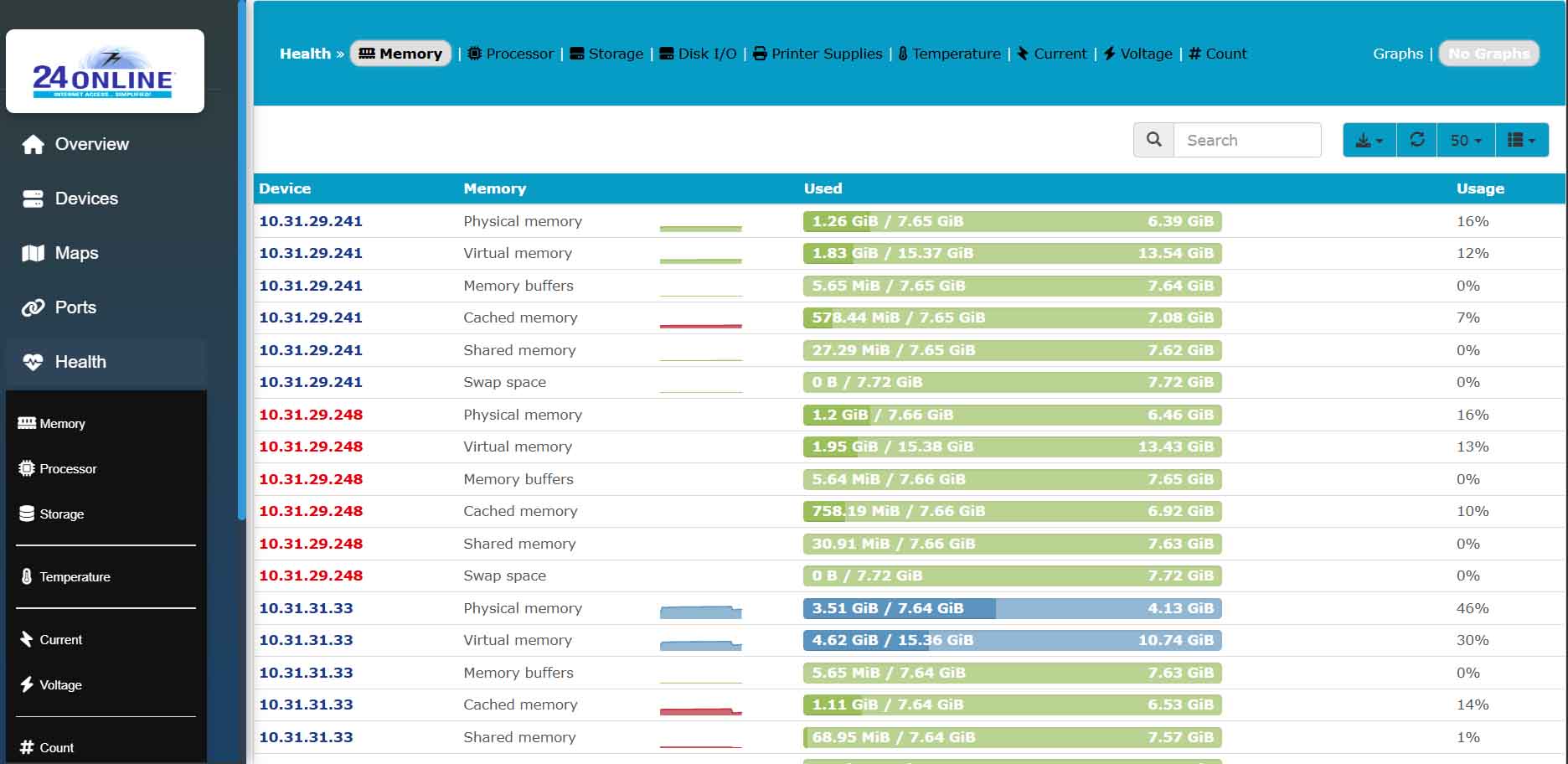
In today’s hyper-connected business landscape, networks are the backbone of every operation—from cloud applications to real-time communications. A minor disruption can affect productivity, customer satisfaction, and revenue. This is why businesses increasingly rely on a Network Management System (NMS) to ensure performance, availability, and security.
What is a Network Management System (NMS)?
A Network Management System is software designed to monitor, analyze, and optimize an organization’s IT infrastructure. It provides administrators with real-time visibility into devices like routers, switches, servers, firewalls, and endpoints.
With an NMS in place, IT teams can:
Detect and resolve issues before they cause downtime
Automate routine network tasks
Optimize bandwidth usage
Strengthen security through policy enforcement
Why Businesses Need NMS?
Centralized Monitoring – One dashboard for all network elements
Reduced Downtime – Proactive alerts and auto-remediation minimize outages
Better Security – Detect suspicious traffic, unauthorized devices, and breaches
Cost Efficiency – Optimize resource usage and prevent expensive downtime
Scalability – NMS grows with your network, whether cloud or on-premises
How NMS Works: The Core Workflow
Discovery & Mapping: Scans the network to identify devices and their interconnections.
Data Collection: Pulls performance metrics, such as bandwidth, error rates, and device status – using protocols like SNMP or newer methods like streaming telemetry.
Analysis & Alerts: Processes data to detect trends, anomalies, or issues. Modern systems leverage AI/ML to enhance insight-driven monitoring.
Automation: Responds to certain events automatically running updates, rerouting traffic, or applying configuration changes.
Reporting: Generates detailed reports to inform administrators, drive capacity planning, and ensure compliance.
Benefits of Deploying an NMS
Enhanced Visibility: Real-time insights into every device and site – critical for distributed networks.
Reduced Downtime: Proactive alerts and automation help preempt issues before they escalate.
Optimized Performance: Identifies bottlenecks and helps fine-tune configurations.
Better Security: Continuous monitoring and policy enforcement safeguard the network.
Boosted Productivity: Frees IT teams from firefighting to focus on strategic tasks.
Key Technologies & Trends
SNMP (Simple Network Management Protocol): Still widely used for device monitoring, though newer and more secure methods like streaming telemetry are gaining traction.
Software-Defined Networking (SDN): Enables programmable, centralized control, promoting agility and vendor neutrality.
Modern Innovations (AI/ML & Automation): NMS tools are evolving into intelligent agents capable of self-healing, predictive analytics, and policy-driven automation.
Would you like to explore how our NMS can optimize your network operations? Let’s connect and discuss!
https://www.globetek.co.in/internet-management-expert-contact-globetek/
Network Management System, network monitoring tools, NMS benefits